

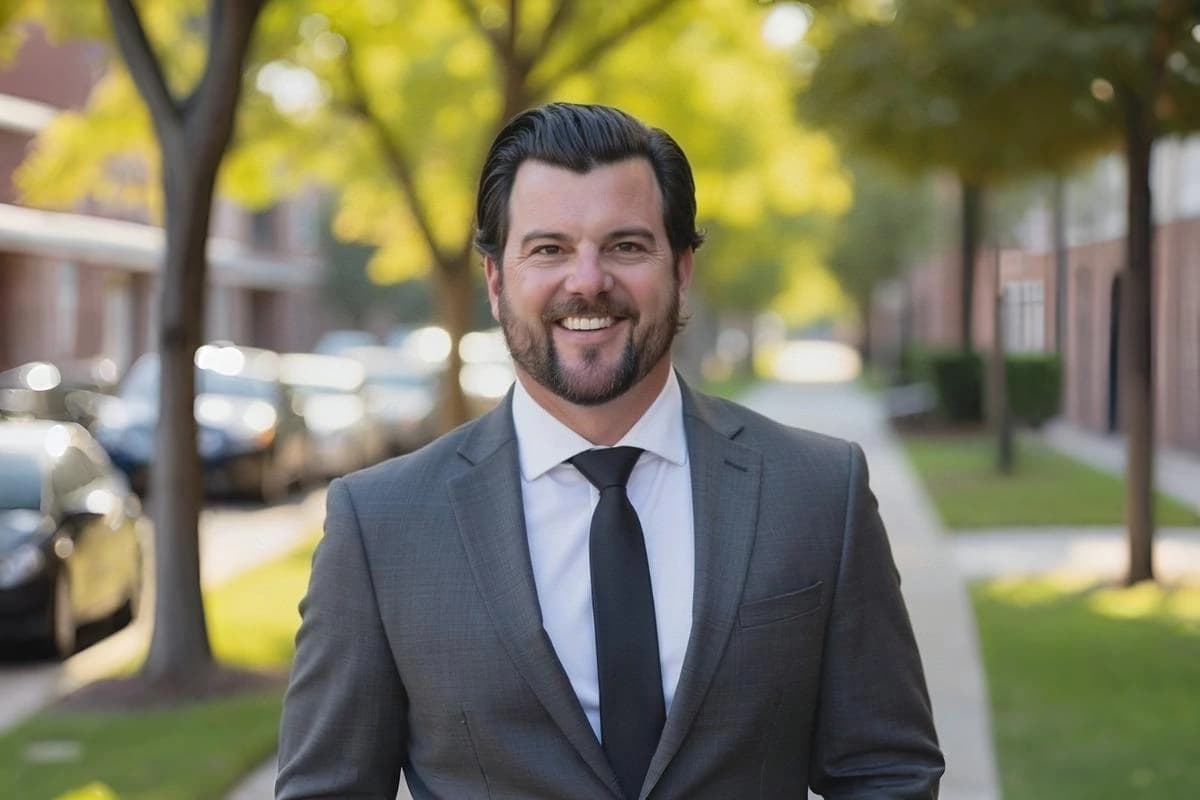
Kelvin Enfinger Jr., Vice President of Greenhut Construction and 2025 Chair of ABC Florida, presents a compelling case for skilled trades as a viable, future-proof career path in an era where artificial intelligence threatens many white-collar professions. His journey from field tradesman to C-suite executive at Greenhut Construction provides a practical blueprint for tackling the construction industry's persistent skilled workforce shortage. Enfinger's leadership philosophy is deeply rooted in his hands-on experience, which he credits for enabling effective management of complex projects across healthcare, aviation, education, industrial, and office sectors.
Enfinger identifies a societal misstep in steering an entire generation exclusively toward higher education, noting that many individuals would have flourished in the trades without accumulating student debt. He emphasizes the irony that while recent graduates pursued fields like coding, AI has begun automating those very jobs. In contrast, Enfinger asserts that artificial intelligence cannot replace trades requiring manual skill and problem-solving, such as plumbing, electrical work, HVAC, and carpentry. This perspective positions skilled trades as uniquely resistant to technological displacement, offering long-term career stability.
As chair of ABC Florida, the state's largest commercial construction association, Enfinger advocates for policy changes to support workforce development. He highlights immigration reform as a critical issue, specifically endorsing merit-based visa programs for construction workers, an initiative championed by ABC National. Enfinger argues for expediting visas for individuals already contributing to the industry without criminal records, framing it as both an economic necessity and a recognition of their desire to build lives in the United States.
Enfinger also underscores the value of local contracting, embodied in Greenhut's "Choose Local, Choose Greenhut" ethos. He explains that local firms possess intrinsic advantages, including deep knowledge of regional conditions, established community partnerships, and the economic benefit of circulating project dollars within the local economy. This local expertise proves crucial when navigating budget constraints, complex structures, and unique site challenges, particularly in Northwest Florida's growing markets like Pensacola.
Reflecting on projects that create lasting community impact, Enfinger expresses particular pride in healthcare and education facilities, viewing them as legacies that continue to serve the public. Recent completions under his leadership include the Leonardo MRO hangar, Myrtle Grove Elementary School, and the American Magic Facility, all finished in 2025. For aspiring leaders, Enfinger advises continuous learning, seeking mentorship, and prioritizing listening. As Northwest Florida experiences growth in aerospace, manufacturing, and distribution, Enfinger remains optimistic about construction's future, contingent on a renewed commitment to skilled trades education and sustainable, community-focused development.