

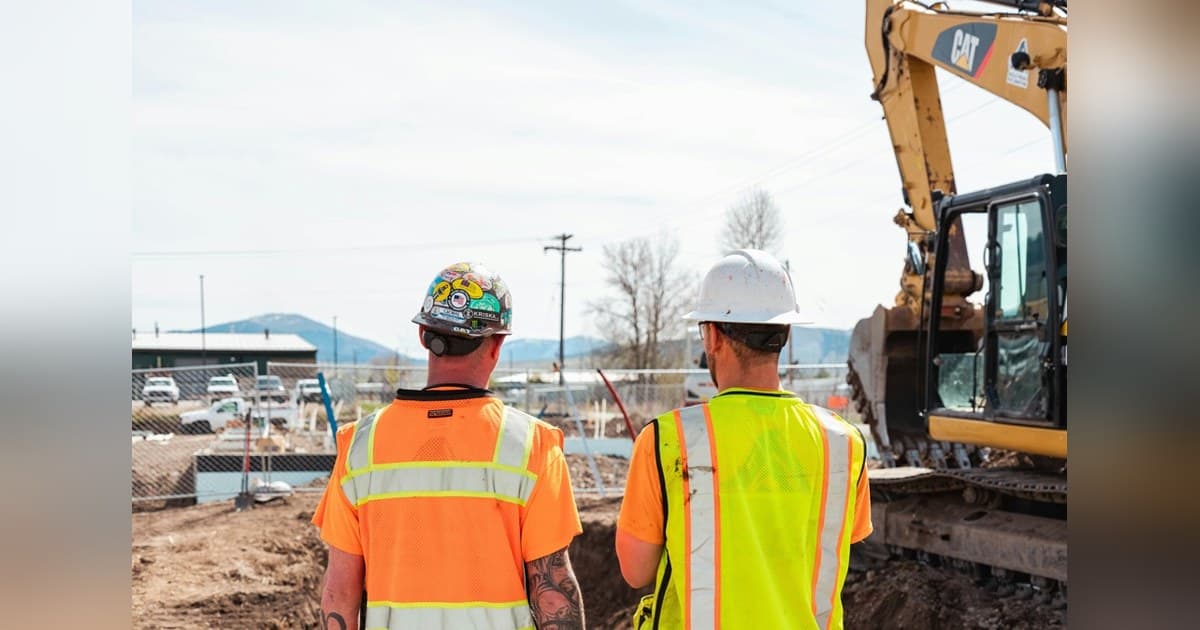
For decades, the American Dream has been narrated through a single lens: high school, college, a degree, and a white-collar job. While this path suits many, the nation is now facing the consequences of elevating it above all others. The construction industry, in particular, is grappling with a severe workforce shortage, as an entire generation of skilled craftspeople retires and fewer young people are encouraged to fill their boots.
Kelvin Enfinger Jr., vice president at Greenhut Construction and past chair of ABC North Florida, knows this story intimately. With over 25 years in construction, he started as a carpenter and equipment operator, working his way up through supervision to become an executive. His journey underscores a reality often overlooked: the trades offer not just jobs, but careers replete with opportunities for advancement, entrepreneurship, and community impact.
The perception gap is stark. When a high school senior announces an intention to become an electrician or a welder, the response rarely mirrors the applause for a future college student. This disparity in celebration contributes to a cultural devaluation of skilled labor. According to Enfinger, changing this narrative is essential. He argues that educators, parents, and society at large must present vocational pathways as equally viable options to higher education, not as fallbacks.
The economic implications are profound. Construction is a cornerstone of the economy, and its current labor shortage threatens the nation's ability to build necessary infrastructure, housing, and facilities. The problem is not just about filling positions; it is about building a sustainable workforce. This requires systemic changes, including stronger career and technical education programs, expanded apprenticeships like those offered by Associated Builders and Contractors North Florida, and better partnerships between schools and employers.
Moreover, Enfinger emphasizes the role of employers in retaining talent. Investing in training, mentorship, and leadership development is critical. Great craftspeople should not be promoted into management without the necessary skills to lead teams effectively. Financial literacy and leadership training are as important as technical proficiency. By showing employees a clear career ladder, companies can foster loyalty and reduce turnover.
The trades also serve as a powerful engine for economic mobility, particularly for those without access to traditional higher education. An apprentice can become a journeyman, a supervisor, and eventually a business owner. Many successful construction firms were born from such humble beginnings. This entrepreneurial spirit is a testament to the dignity and potential inherent in skilled work.
Enfinger's message is not anti-college. It is pro-options. Not every student is suited for or interested in a four-year degree, and that is acceptable. The societal obsession with college as the only marker of success is narrow and exclusionary. By widening the definition, we open doors for countless young people who might otherwise be overlooked.
As the nation looks to rebuild its infrastructure and economy, the demand for skilled workers will only intensify. The classrooms of today hold the untapped talent that can meet this challenge, but only if they are shown the possibilities. The future of America will not be built solely in boardrooms or lecture halls. It will be built by those who are willing to pick up a tool and construct it. It is time to celebrate every pathway that leads to a meaningful career, and to ensure that the builders of tomorrow are given the respect and support they deserve.